Henry Carrasco

Software Developer | .NET, Angular & SQL Server

Henry Carrasco Medina

Full stack Software Developer: I design and build business systems end to end with .NET, Angular and SQL Server — architecture, database, backend, web applications and integrations. What I do best is turning a manual process, or a system nobody wants to touch, into something maintainable.

Lima, Peru

Portrait of Henry Carrasco Medina
1,000+
changes merged in ten months into a microservice platform
6
company systems I work on: API, web, worker, real time, agent and desktop app
5
personal projects designed and built from end to end
125
automated tests in the signed packaging system

Projects

Three systems, from the first decision to the executable

See all projects →
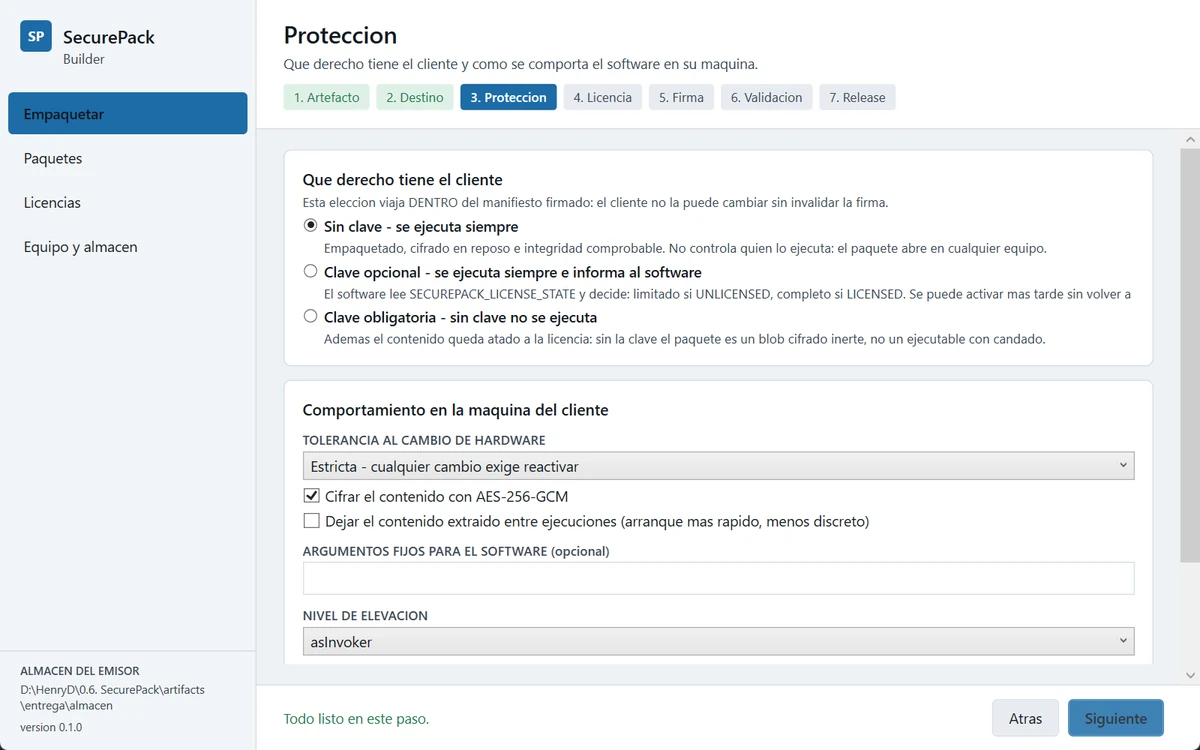
The protection step of the wizard: the three licence modes with their trade-off written beside each one, hardware-change tolerance and content encryption

Software distribution and protection · 2026

SecurePack

Wraps any Windows program in a signed container and decides, with no network, whether it is allowed to run.

System design, cryptography and full development
  • C#
  • .NET
  • Cryptography
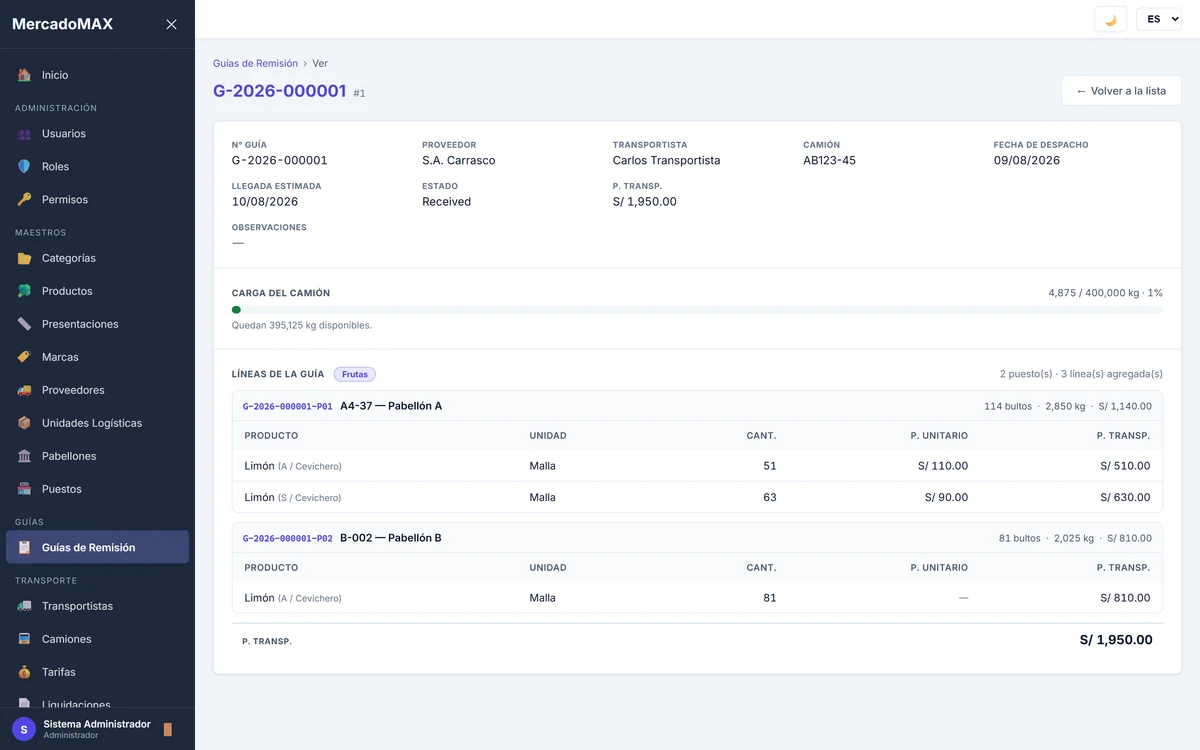
Detail of a multi-destination dispatch note: header with supplier, carrier and truck, the vehicle load bar, and the lines grouped by stall and hall

Wholesale produce markets · 2026

MercadoMAX

A microservice platform for wholesale markets that follows the goods from the supplier’s dispatch note to the sale at the stall.

System design and full development: database, backend and frontend
  • C#
  • .NET
  • Angular
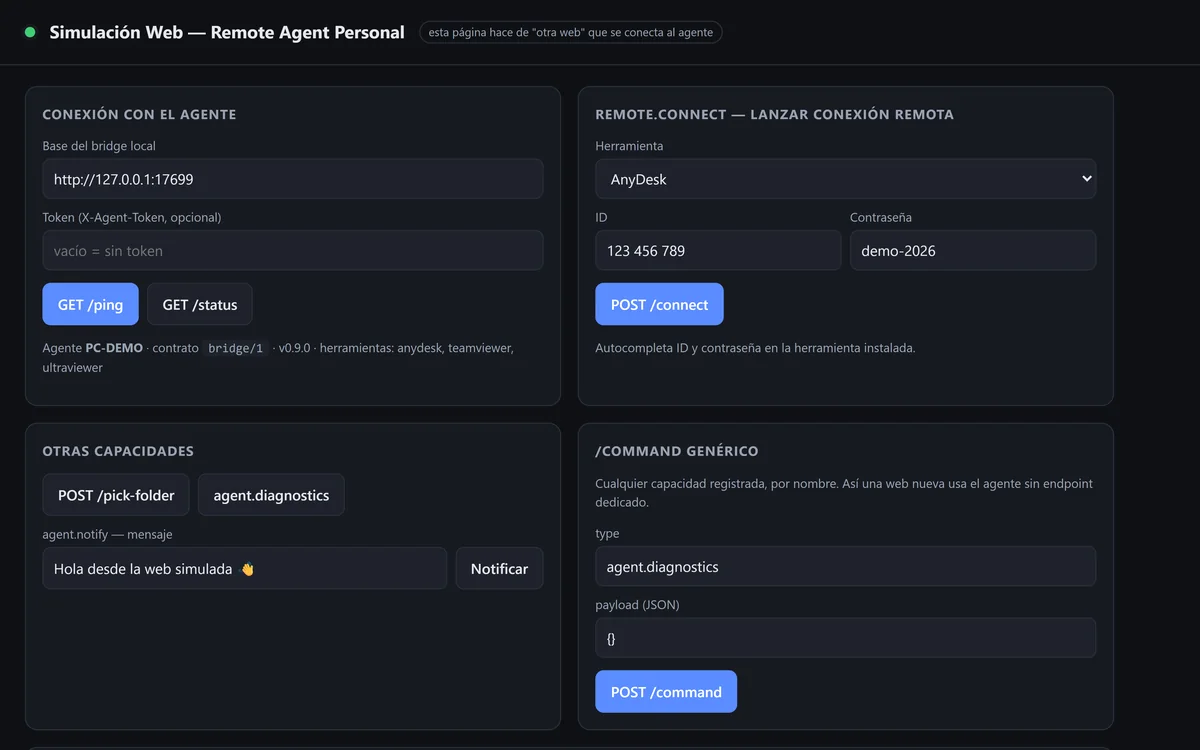
The simulation page calling the agent’s local bridge: connection base, remote connection, other capabilities and the generic command

Internal tooling and remote support · 2026

Remote Agent

A Windows desktop agent that any authorized web page can ask to do things on the user’s machine.

Protocol design and full development

  • C#
  • .NET
  • SignalR

Judgement

How I make decisions and take a solution to production

I step into systems I did not write, carrying years of decisions made by other people. What follows is the order I work in, and every row sits behind something on this page.

Before writing code

Where it is decided whether the work will turn out well

  1. I understand the existing system before touching it

    I step into platforms that have been running for years and I do not break their conventions. What I write has to look like what was already there, not like what I would do on a blank page.

  2. I define the technical flow and split it into tasks

    When a feature lands on me the first step is not opening the editor: it is deciding where the data flows, what each layer owns and in what order it gets built. Execution comes after.

  3. I identify the constraints before designing

    Being a single developer ruled out a database per service in my ERP; having no network ruled out asking the server for identifiers in the ledger app. The constraint drives the design, not the other way round.

  4. I model the data and the domain before the screens

    The schema and the queries are paid for over years. An interface is rebuilt in two weeks.

  5. I evaluate the alternative and write down why I dropped it

    Every decision on this site carries the option I did not take and the price I pay for the one I did. A decision without an evaluated alternative is just a habit.

From code to production, and after

What I do so I do not have to touch it again

  1. I separate responsibilities and retire the old path

    When I unify two ways of doing the same thing, I migrate what was left and delete the old one. Keeping both alive is convenient for a week and expensive for years.

  2. Security belongs in the design, not in the final pass

    Verifying the signature before interpreting the content, comparing secrets in constant time or putting hard limits on the reader are not finishing touches: they are the shape of the system.

  3. I test the paths that hurt

    The tests that matter are the rejection ones: the tampered file, a key from another machine, the clock turned back. The happy path tests itself.

  4. I validate on TEST and verify after deployment

    I develop, deploy to TEST and check the real behaviour there; whatever shows up I diagnose and fix before it reaches production. Then I coordinate the release with whoever runs it and verify it landed correctly integrated.

  5. I review my own code before integrating it

    I read it end to end against the conventions, the structure and the architecture the project already uses. What I hand in has to read as if the team had written it.

Experience

What I answer for

One line per role, describing responsibility and impact rather than a list of technologies.

  1. January 2026 — Present

    Full stack developer

    Umbralix

    • I joined as a backend developer and in ten months merged more than 1,000 changes into the .NET API and Angular client of a microservice platform, shipping every month, from the database to the screen.
    • I built access control: per-user roles and permissions, access revoked the moment a permission changes, and rejection of unauthorised remote connections.
    • I built file management on a NAS: a media explorer, writes with conflict detection and rollback, retried synchronisation from a worker, and scheduled deletion driven by retention policies.
    • I built the HR module: employee onboarding and Excel import, a birthday and anniversary dashboard, and automatic announcements that a worker schedules and sends to Microsoft Teams (through Microsoft Graph) and WhatsApp.
    • I am the main author of the company’s remote support agent (Windows, .NET and SignalR): more than 190 changes up to version 2.21, integrated with the device inventory and with connection occupancy per work order.
    • I write the plan before the code: more than 70 technical plans and 21 mockups the team uses to decide how each feature gets built.
    • C#
    • .NET
    • Angular
    • SQL Server
    • Dapper
    • SignalR
    • Redis
    • gRPC
    • Microsoft Graph

The full path, including education, is in “About” →

Stack

What I build with

The core, which is what I use daily. Levels are stated plainly, with no percentage bars that mean nothing.

  • Frequent use
  • Solid
  • Have worked with

Platform

  • C# / .NET — Frequent use
  • ASP.NET Core Web API — Frequent use
  • Angular — Frequent use
  • TypeScript — Frequent use
  • SQL Server — Frequent use

Design and infrastructure

  • REST APIs — Frequent use
  • Dapper / EF Core — Frequent use
  • Docker — Frequent use
  • Git and CI/CD — Frequent use
  • SignalR — Solid
See the full inventory in “About” →

Available for projects and new opportunities

Got something in mind?

Tell me what you need and I will tell you whether I can help.

Email me